How 3D Laser Scanning Transforms Architectural Layout and Construction Projects
3D laser scanning is transforming the landscape of architectural style and construction. This technology uses unequaled accuracy in recording existing environments, which promotes far better job preparation and execution. It reduces mistakes while boosting efficiency in numerous phases of advancement. The effects for partnership amongst engineers, engineers, and other stakeholders are considerable. These innovations open the door to new style opportunities and cutting-edge options. What exists in advance for this progressing technology?
The Fundamentals of 3D Laser Scanning Innovation
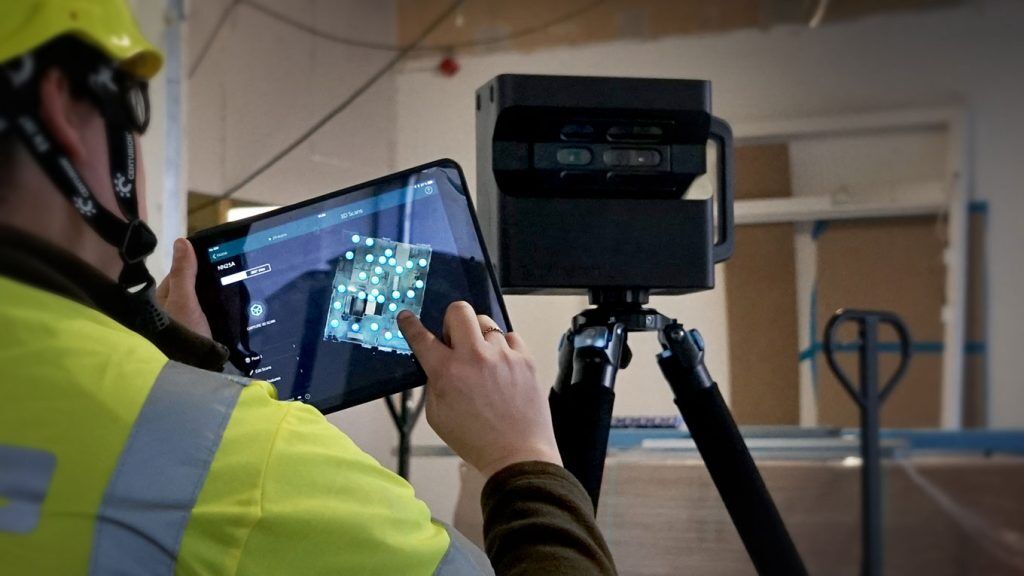
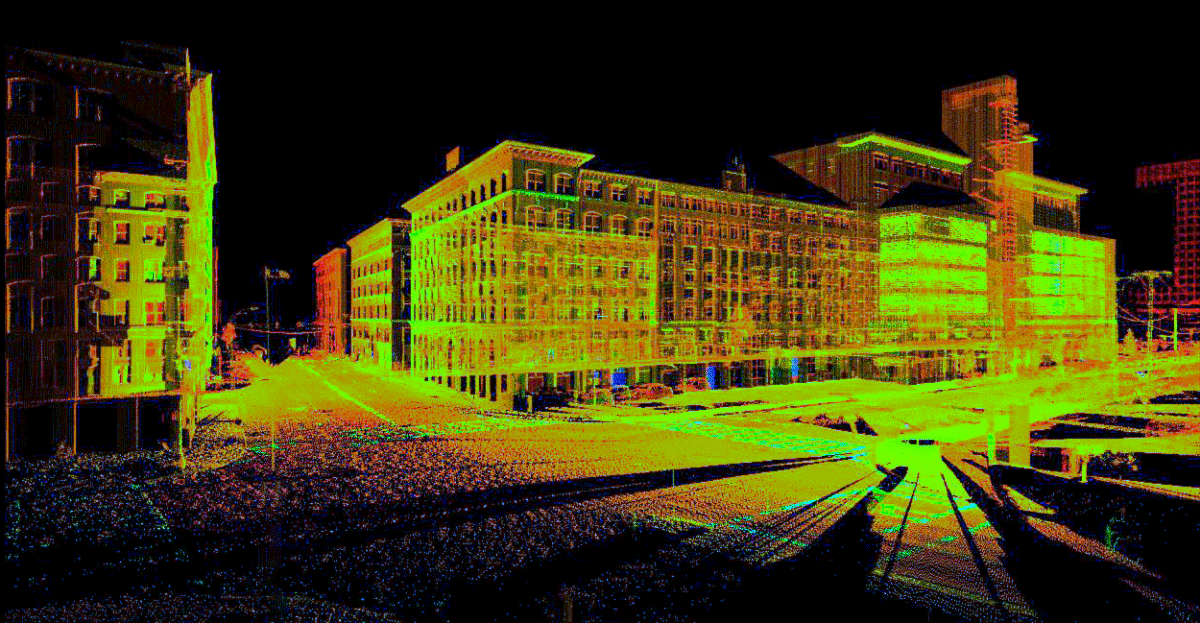
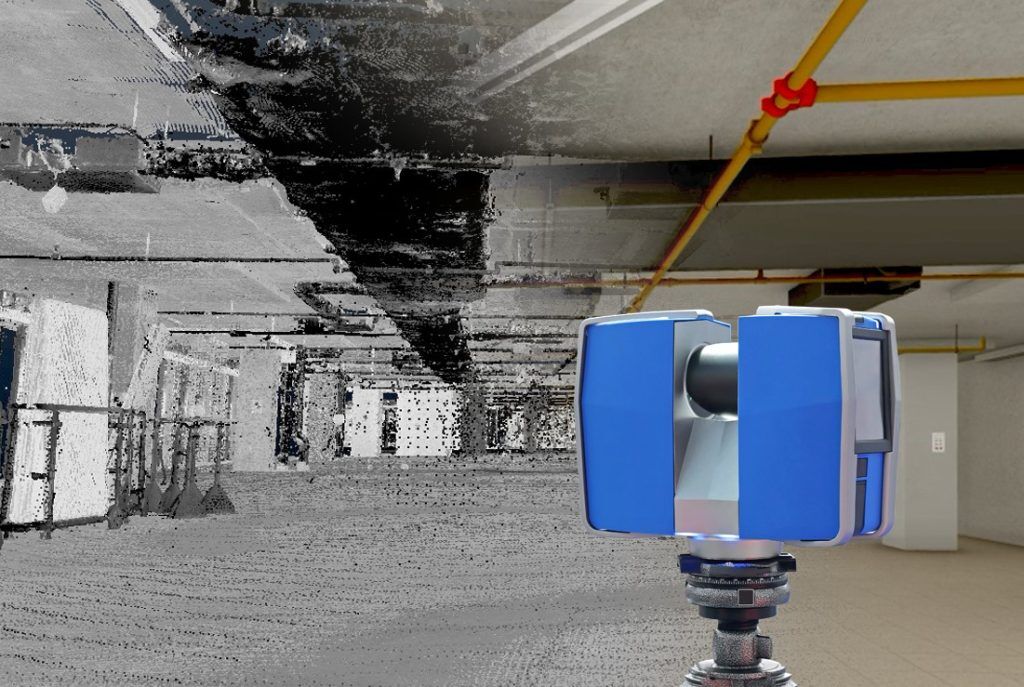
Although 3D laser scanning modern technology might seem facility, its core concepts are transformative and uncomplicated for building layout. This modern technology utilizes laser beam of lights to capture specific dimensions of physical structures, generating a comprehensive point cloud that represents the scanned setting. A laser scanner sends out quick pulses of light, gauging the time it considers the light to return, which permits the computation of ranges with exceptional precision.
The resulting factor cloud can be exchanged a 3D design, supplying engineers with vital aesthetic information. This version makes it possible for experts to assess and manipulate style components within their jobs, permitting ingenious options and improved visualization. By using 3D laser scanning, designers can much better understand the status quo of a site, making sure that new styles balance with their surroundings. This combination of innovation right into architectural design notes a significant improvement, fostering imagination and precision in the area.
Enhancing Accuracy and Effectiveness in Architectural Projects
As building jobs significantly require precision and speed, 3D laser scanning becomes a pivotal device in boosting both precision and efficiency. This technology catches millions of data points in a quick duration, producing detailed and accurate 3D versions of existing structures. The capability to acquire precise dimensions minimizes the danger of errors throughout the style phase, enabling engineers to picture their jobs with unparalleled clearness.
Moreover, the rapid information collection process decreases the time invested on-site, allowing teams to concentrate on evaluation and style enhancements. With real-time information availability, adjustments can be made promptly, promoting a more streamlined workflow. The integration of 3D laser scanning into building practices not just boosts dimension accuracy yet likewise enhances the total job timeline, facilitating quicker decision-making. In a sector where precision is important, this modern technology stands as a transformative pressure, elevating the requirements of architectural style and building and construction tasks.
Improving Collaboration Amongst Stakeholders
While typical architectural processes frequently involve fragmented interaction amongst stakeholders, 3D laser scanning cultivates an extra natural joint environment. By providing specific, high-resolution data, this technology enables architects, designers, customers, and professionals to run from a unified point of recommendation. The detailed visualizations created via laser scanning remove false impressions and ambiguities, guaranteeing that all parties have accessibility to the very same info.
This openness boosts decision-making and encourages timely responses, as stakeholders can quickly envision layout elements and spatial connections. On top of that, the assimilation of 3D scanning information right into Structure Details Modeling (BIM) platforms additionally enhances collaboration, permitting for real-time updates and alterations. Such smooth interaction not just decreases disputes yet likewise increases project timelines, as all stakeholders remain lined up throughout the style and building phases. Ultimately, 3D laser scanning transforms standard process into an extra collaborative and efficient procedure, benefiting all events involved.
Unlocking Creative Possibilities in Style
By allowing engineers to visualize intricate spatial relationships and intricate details, 3D laser scanning reveals innovative opportunities in design. This technology permits precise mapping of existing environments, making it possible for engineers to explore ingenious principles that may have previously appeared not practical. With very accurate information, developers can explore unusual forms and products, pushing the borders of conventional design.
The assimilation of 3D laser scanning into the style procedure cultivates collaboration amongst multidisciplinary groups, encouraging the exchange of ideas and improving imagination. The detailed visualizations created by this innovation not only aid in determining prospective layout challenges but also inspire solutions that could not have been taken into consideration. Therefore, designers can produce much more vibrant and engaging areas that resonate with individuals while satisfying practical demands. Eventually, 3D laser scanning changes the building landscape, equipping developers to realize their visions with unprecedented precision and creative thinking.
The Future of 3D Laser Scanning in Architecture and Construction
The combination of 3D laser scanning right into architectural layout not just improves creative thinking yet additionally sets the stage for its developing duty in the future of architecture and construction. As technology advances, the precision and effectiveness of laser scanning will remain to boost, enabling builders and engineers to develop much more complicated styles with precision - 3D Scanning. Making use of this innovation in real-time data collection will promote much better decision-making, decreasing errors and simplifying process
Future applications might consist of increased and virtual truth combinations, enabling stakeholders to picture projects in immersive settings. Furthermore, as sustainability comes to be a top priority, 3D laser scanning will support the development of read more energy-efficient styles by giving in-depth insights into existing structures. As collaboration among various disciplines comes to be more necessary, the capacity to share precise 3D designs will certainly foster technology and improve job results. Eventually, 3D laser scanning will redefine criteria in architectural style and building methods.
Often Asked Inquiries
What Is the Price of Executing 3D Laser Scanning Modern Technology?
How much time Does a Regular 3D Laser Scanning Project Take?
A regular 3D laser scanning task can take anywhere from a few hours to a number of days, depending on variables such as the task's dimension, intricacy, and the degree of detail required for exact data capture.
What Kinds of Projects Advantage Many From 3D Laser Scanning?
3D laser scanning advantages different projects, specifically massive buildings, historical remediations, and complex renovations. It enhances precision in measurements, lowers mistakes, and provides comprehensive information important for reliable planning and implementation in building design and building.
Are There Details Software Program Programs Required for 3D Laser Scans?
Yes, details software application are crucial for processing 3D laser scans. 3D Scanning. Popular alternatives include Autodesk Wrap-up, Faro Scene, and Leica Cyclone, each offering one-of-a-kind functions customized for envisioning and assessing checked information efficiently in numerous jobs
How Does 3D Laser Scanning Influence Environmental Sustainability in Building And Construction?
3D laser scanning enhances environmental sustainability in building by decreasing product waste, making it possible for precise measurements, and advertising efficient source usage. This technology permits much better planning, decreasing the environmental footprint of building and construction tasks with improved precision and effectiveness.
3D laser scanning is transforming the landscape of building design and building. 3D laser scanning modern technology may appear facility, its core principles are transformative and uncomplicated for building layout. By allowing engineers to imagine intricate spatial connections and complex information, 3D laser scanning reveals creative possibilities in layout. The combination of 3D laser scanning right into the layout procedure cultivates collaboration amongst multidisciplinary teams, encouraging the exchange of concepts and improving creativity. The assimilation of 3D laser scanning into building layout not only enhances creativity however likewise establishes the stage for its advancing function in the future of style and construction.